
LAG Equalisation of Burdens Act 2024
The current legal situation
The LAG of 1948, which came into force in 1952 and was last amended in 1969, forms the basis of the current legislation, which mainly concerns war damage.
On 12 December 2019, the situation changed once again. This time, the terms were amended.
The LAG was incorporated into Book XIV of the Social Code on Compensation Law (SozERG). It now stipulates that not only war victims are entitled to compensation, but also so-called socially aggrieved persons. This law has been in force since 1 January 2024.
SGB XIV sets out the current groups of people who are socially disadvantaged and for whom the state bears a particular share of responsibility for harmful events.
- Section 1(2) of Book XIV of the Social Code (SGB XIV) lists the harmful events:
§ 1 SGB XIV
Paragraph 2 – Harmful events are:
1. acts of violence (psychological or physical), such as terrorist attacks
2. the effects of both world wars
3. events relating to the performance of civilian service
4. vaccinations or other specific preventive measures which are
have caused harm to health.
5. victims of the SED regime
Is that something to worry about?
Is the property owner, or even the entire estate, at risk?
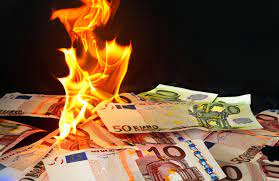
Threat - Danger- Hazard - Risk - Uncertainty -
"Danger refers to the possibility that an event, an object or a substance may cause damage. RiskDenotes the probability that the Danger "leads to damage".
The development of burden-sharing has been influenced by various political, social and economic factors. Migration policy, the coronavirus pandemic and the war in Ukraine are just a few of them.
However, if one considers the laws discussed in context alone, it becomes clear that it is at least legally possible to oblige landowners to pay compensation for consequential damage, such as damage caused by vaccination
A comprehensive database is essential in order to be able to implement burden equalisation. This includes, for example, the number of properties, their owners, the size of the living spaces, etc.
Where does the data come from?
It is not unreasonable to assume that "the politicians" have a plan to introduce a wealth tax that is being kept hidden from the public.
The financing of the Equalisation of burdenstakes place via a Equalisation levywhich is a capital levy.
In view of the numerous crises and the associated strain on citizens and public finances, political actors – individuals, political groups and parties – are repeatedly calling for a wealth tax as a means of tackling the problem.
If many voices on the internet are to be believed, the introduction of a wealth tax is imminent.
The asset register, known as the "European Asset Register", is designed to record who owns which assets. Assets such as precious metals, property, cryptocurrencies, company shares, stocks and savings are recorded.
The official line from politicians is that the asset register is intended to combat corruption and money laundering. However, it is clear that there are political voices calling for a wealth tax. There have been calls from the so-called "left-green" camp – from individuals as well as parliamentary groups and the parties themselves – which have been heard and read time and again, particularly since the financial and banking crisis.
Securing assets
Although it is not yet clear whether the Equalisation of Burdens Act will be implemented, it is extremely important to be aware of its potential impact.
Understanding and preparing for this risk can be crucial in avoiding severe stress.
One thing is certain: the more time passes, the fewer viable or fully effective solutions remain.
To find out more, buy our e-book.

The company offers assistance with implementing a possible solution Mellon Star.

Get up to 50% of the e-book price back as cashback when you place an order.
Get your promo code at Book Download.
Have you read our e-book but still have questions? Please email us at: office@newscentralcorp.com

 English
 German